Your Gift Card Might Be Good. Can Your Customers Actually Find It?
Gift Ideas
Digital Gift Cards
Most businesses that sell gift cards assume the hard part is the product. Get the design right, set the denominations, sort out the delivery, and once everything works, people will buy it.
But that assumption misses one of the biggest reasons a gift card program can underperform.
Nobody can buy something they cannot find.
The latest BHN/NAPCO Benchmark Report looked at 120 digital gift card programs across North America, scoring them against 147 criteria. The findings point to a simple difference between the strongest programs and the rest: they make the gifting experience easy to find, personalise and complete.
Can people find it?
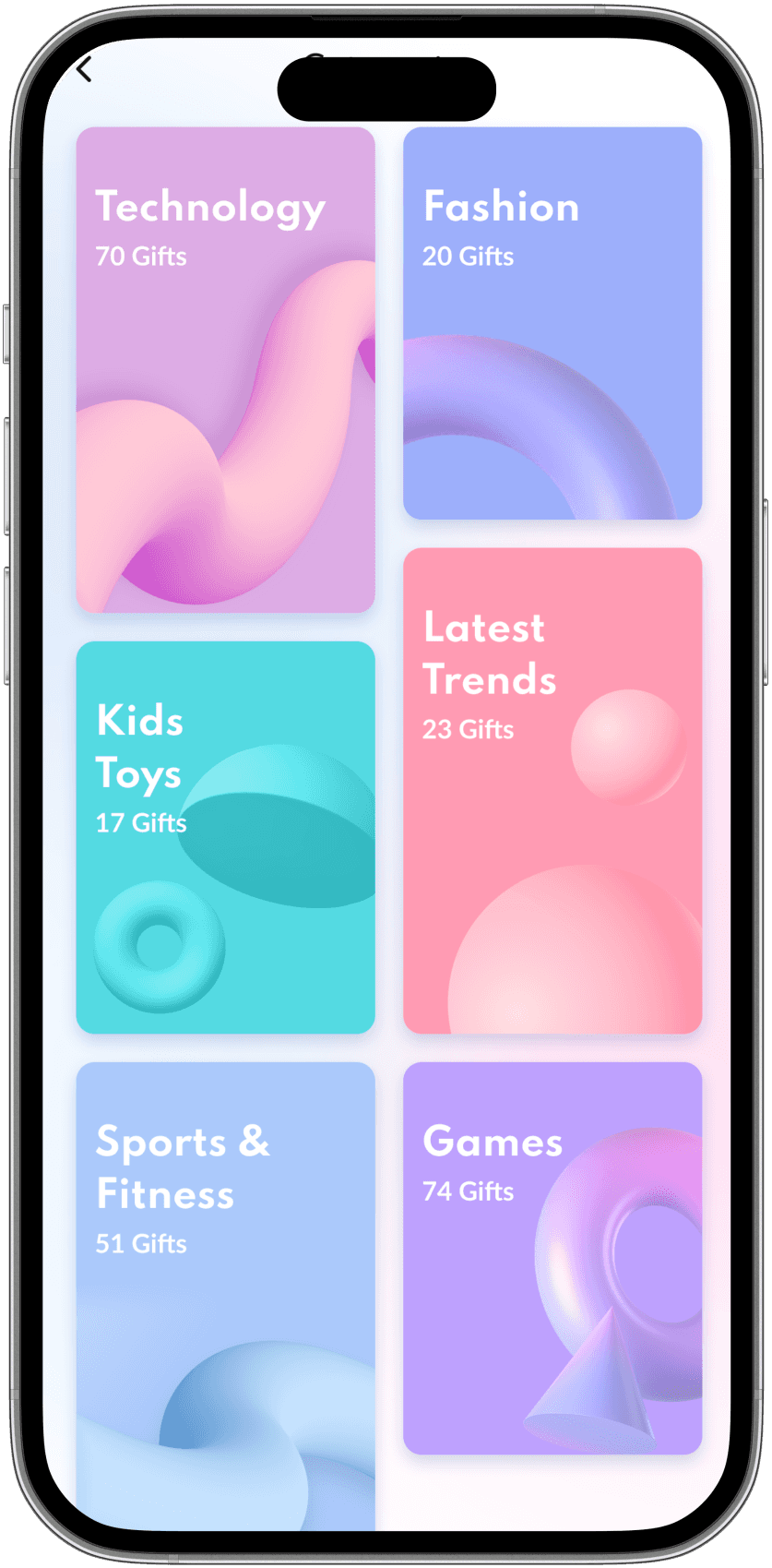
Among brands in the top three performing verticals, 95% included gift cards in their on-site search results. Among the three lowest-performing verticals, not a single brand featured gift cards in an occasions or holiday section.
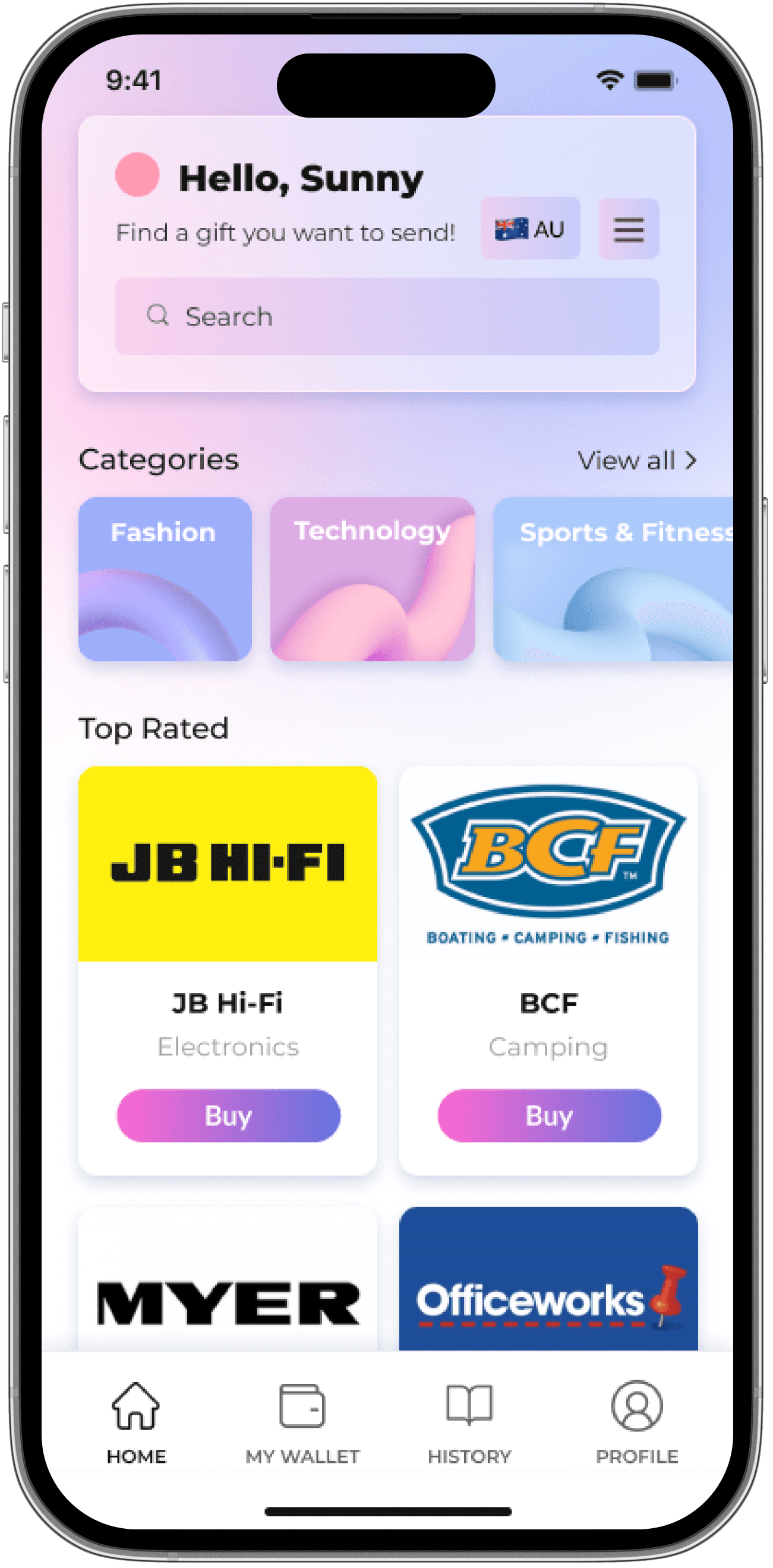
The difference is not necessarily the gift card itself. It is whether the business treats it as a visible product or buries it three clicks deep in a menu.
A gift card that nobody notices might as well not exist.
For small businesses, this is actually good news. You do not necessarily need a bigger marketing budget to fix it. Start with the basics: a clear link on your homepage, a mention in your Google Business Profile, and a visible reminder in-store.
Most customers will not assume you offer gift cards unless you make it easy for them to see that you do.
Can they make it personal?
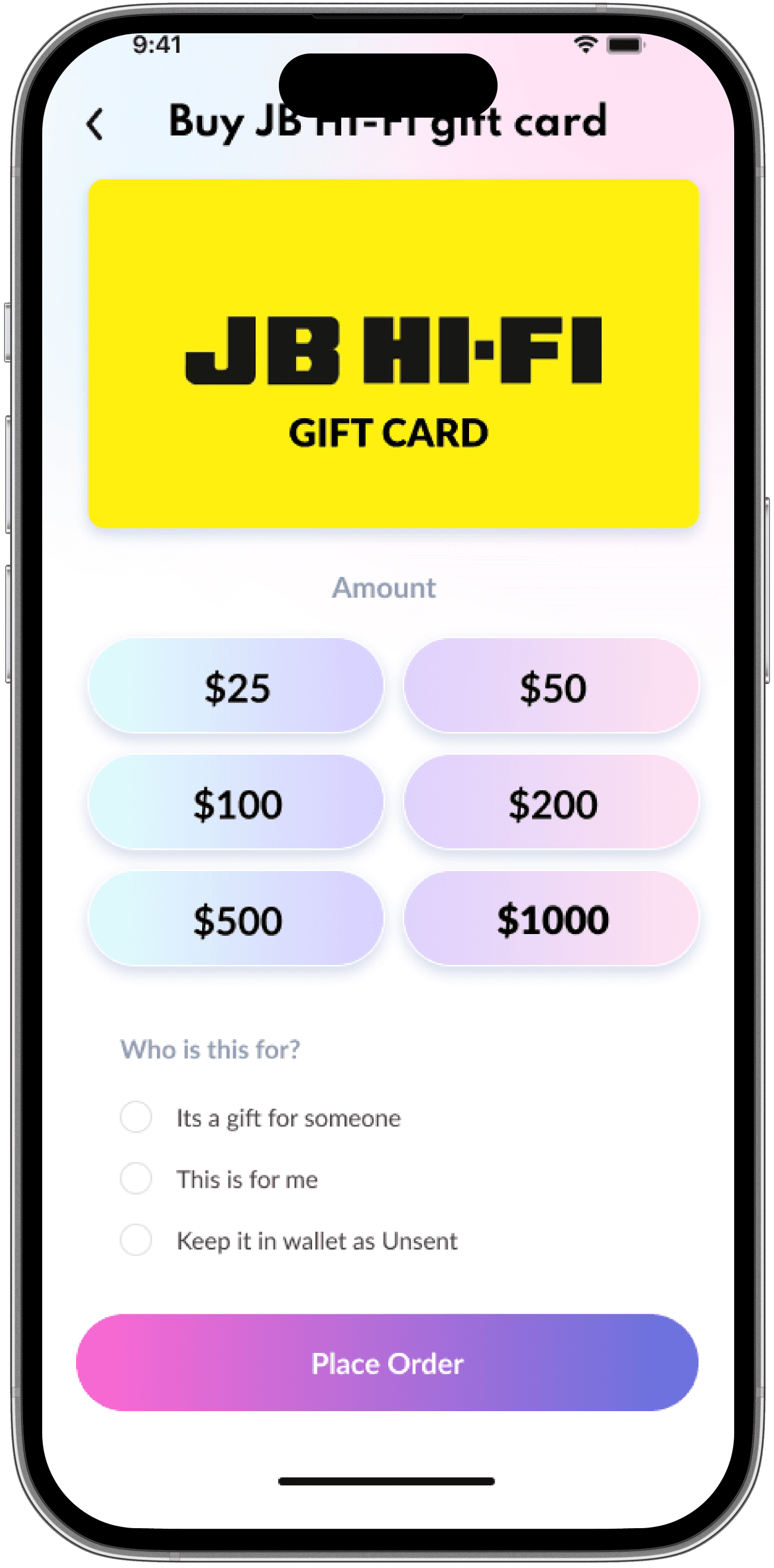
The strongest gift card programs give customers ways to make the gift feel personal. That can include uploading a photo, writing a message, choosing a design based on the occasion, or selecting a custom amount.
One respondent in the study even shared how they added a photo of their nephew's dog to his gift card, and he loved it.
That small detail can be the difference between a gift card feeling like a transaction and feeling like an actual gift.
Personalisation does not always require complex technology. It starts with thinking about the experience from the gift-giver's perspective.
Someone is not simply buying a dollar value. They are trying to give something to another person.
Can they choose how and when it arrives?
Nearly two-thirds of shoppers abandon their carts when delivery options feel too rigid.
Among the top 10 programs in the study, 90% offered text message delivery, compared with just 44% among other brands.
The strongest programs give customers flexibility. They can send by email, text or shareable link. They can schedule delivery for a birthday morning or send it immediately when they need a last-minute gift.
Payment flexibility matters too, with options such as Apple Pay, Google Pay and credit cards helping make the final step easier.
These might seem like small details, but they can be the difference between someone completing the purchase and closing the tab.
Are you actually marketing it?
This is where the research reveals one of the biggest gaps.
Marketing was one of the weakest categories in the entire study. Yet 40% of consumers say promotions make them more likely to buy a gift card, and people buy an average of nine gift cards a year for non-holiday occasions.
Birthdays. Thank yous. Valentine's Day. Congratulations. Plenty of reasons to give a gift throughout the year.
The opportunity is not limited to December.
If a business only talks about its gift cards during the Christmas rush, there are potentially eleven other months when customers could be buying them.
What to do about it
If you sell gift cards, these four questions are a useful place to start:
Can people find it?
Is it visible on your website and easy to discover?
Can they personalise it?
Can the customer make the gift feel like it is actually from them?
Can they choose how and when it arrives?
Are there flexible delivery and payment options?
Are you actually telling people it exists?
Are gift cards part of your marketing throughout the year, or only at Christmas?
The answers may point to one or two simple changes that can make the experience much easier for customers.
And that is often the opportunity with gift cards. You do not always need a completely new program. Sometimes you just need to make the one you already have easier to discover and easier to use.
Okuru is designed to help businesses put these practices into place without adding another fixed cost. There is no setup fee or monthly fee. We earn 7.5% when a gift card is sold.
Interested in becoming an Okuru Partner? Apply at okuru.app/for-businesses